
From the Australian Bush to Japanese Ikebana: Where My Flower Preservation Practice Comes From
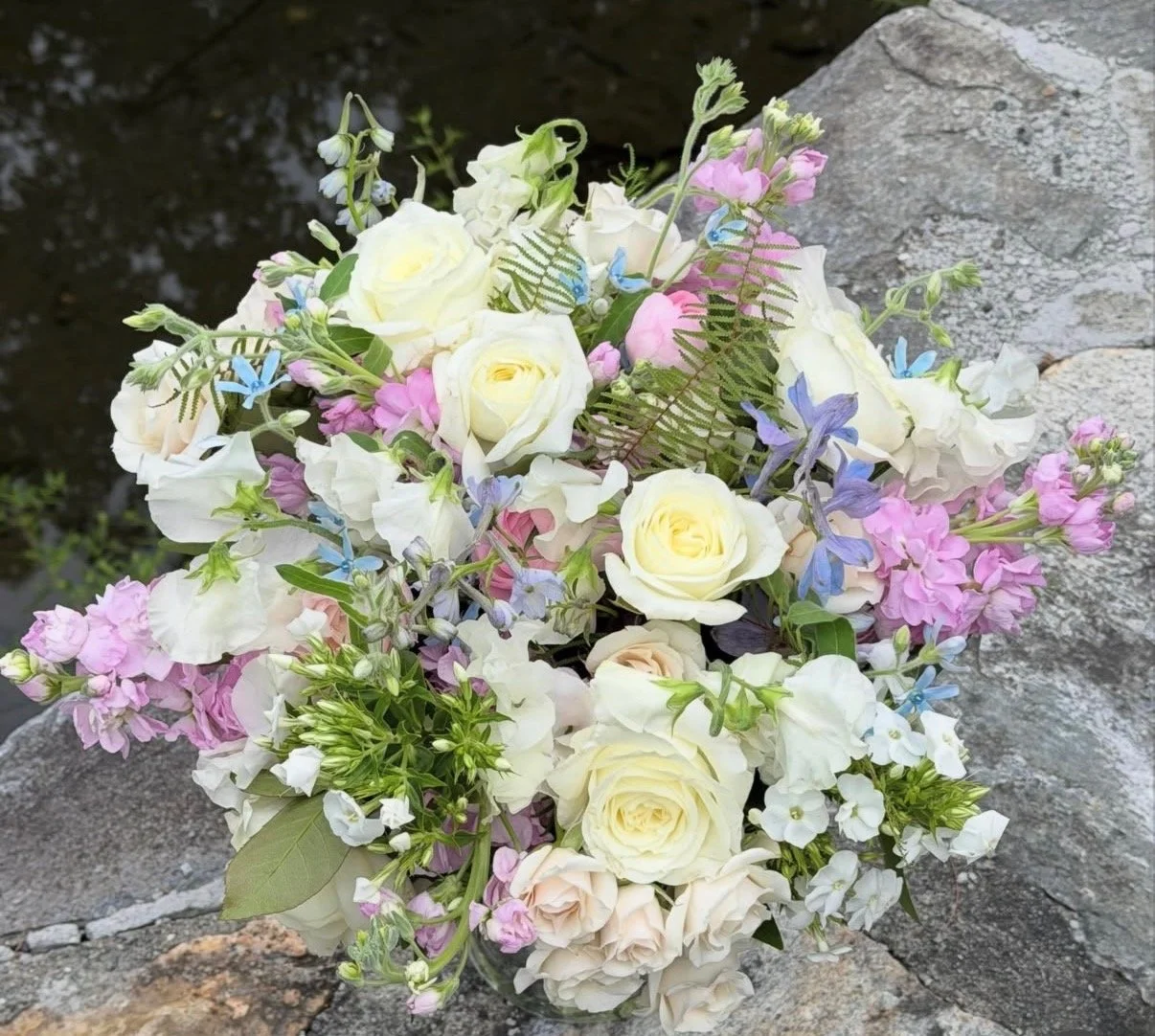
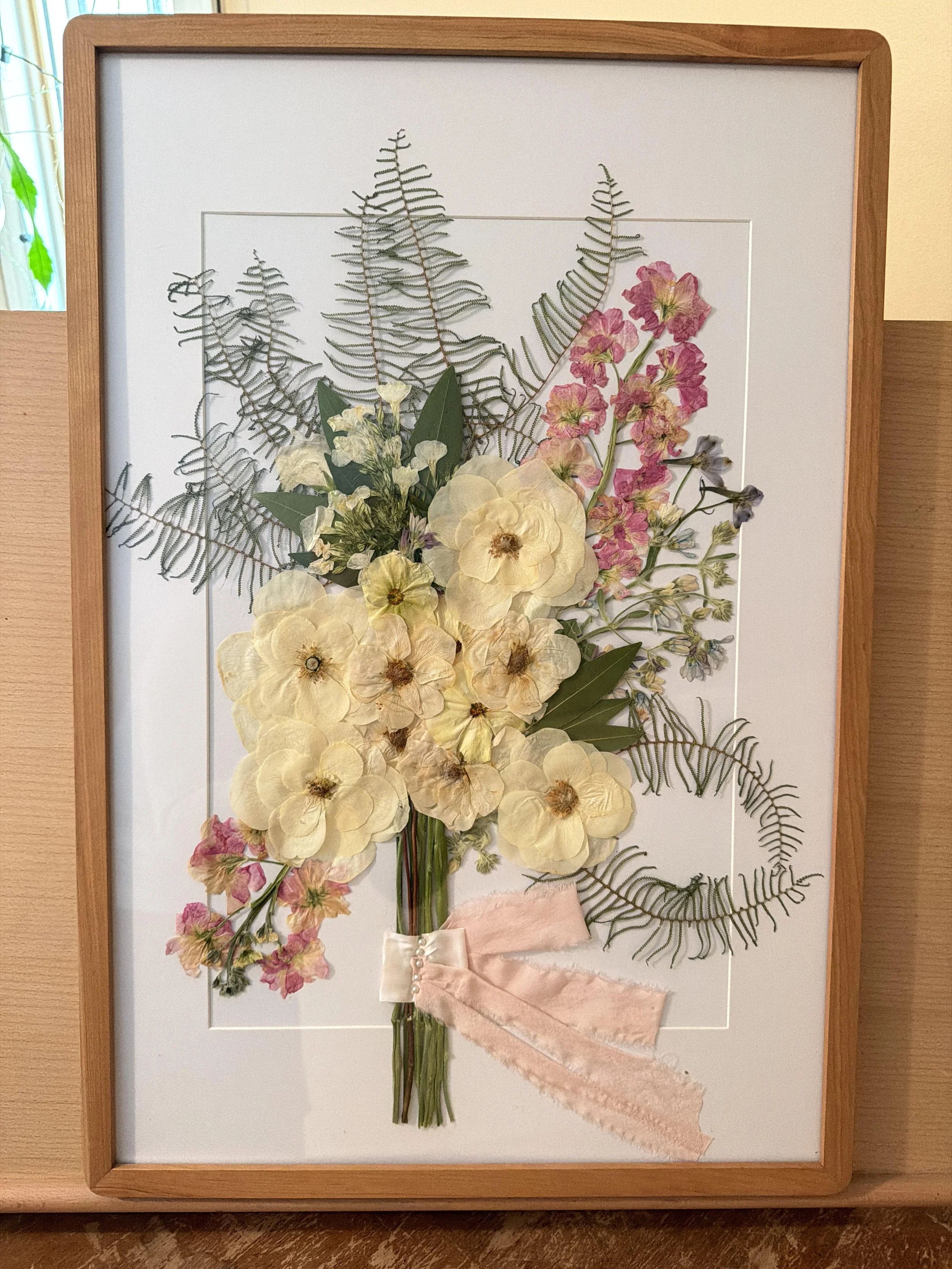
Japan has shaped how I think about flowers almost as much as growing up in the Australian bush did. Between a lifelong study of the language and culture, years spent living there, and formal training in ikebana and oshibana, Japan is one of the biggest influences behind how I preserve bridal bouquets at Heavenscent today.
A Lifelong Study of Japan
I have studied Japanese language and culture since I was four years old, and I still study it daily. My family hosted Japanese exchange students every year when I was growing up, and I remember them being amazed that I pressed flowers using the pages of an encyclopedia because I did not own an actual flower press. It is a funny memory now, but it tells you how long this has been part of me. It was never something I set out to build a business around. It was just what I did.
Learning Ikebana and Oshibana in Japan
Years later, I lived in Japan myself, where I learned ikebana, the art of Japanese floral arrangement, alongside oshibana, the traditional practice of pressing flowers into pictures. Oshibana traces back roughly six hundred years to sixteenth-century Japan, where samurai warriors used it as a meditative practice, a way to build patience, sharpen focus, and stay connected to nature between battles. The discipline it takes to press a flower without tearing a single petal is not so different from the discipline the samurai were cultivating in themselves.
Ikebana taught me something related but distinct. Where oshibana is about stillness and preservation, ikebana is about looking closely at a single stem while it is still alive and understanding its shape, its balance, and the space around it. Studying both at the same time gave me a way of working with flowers that considers their whole life, from the moment they are cut to the moment they are pressed and framed.
The Bush That Taught Me First
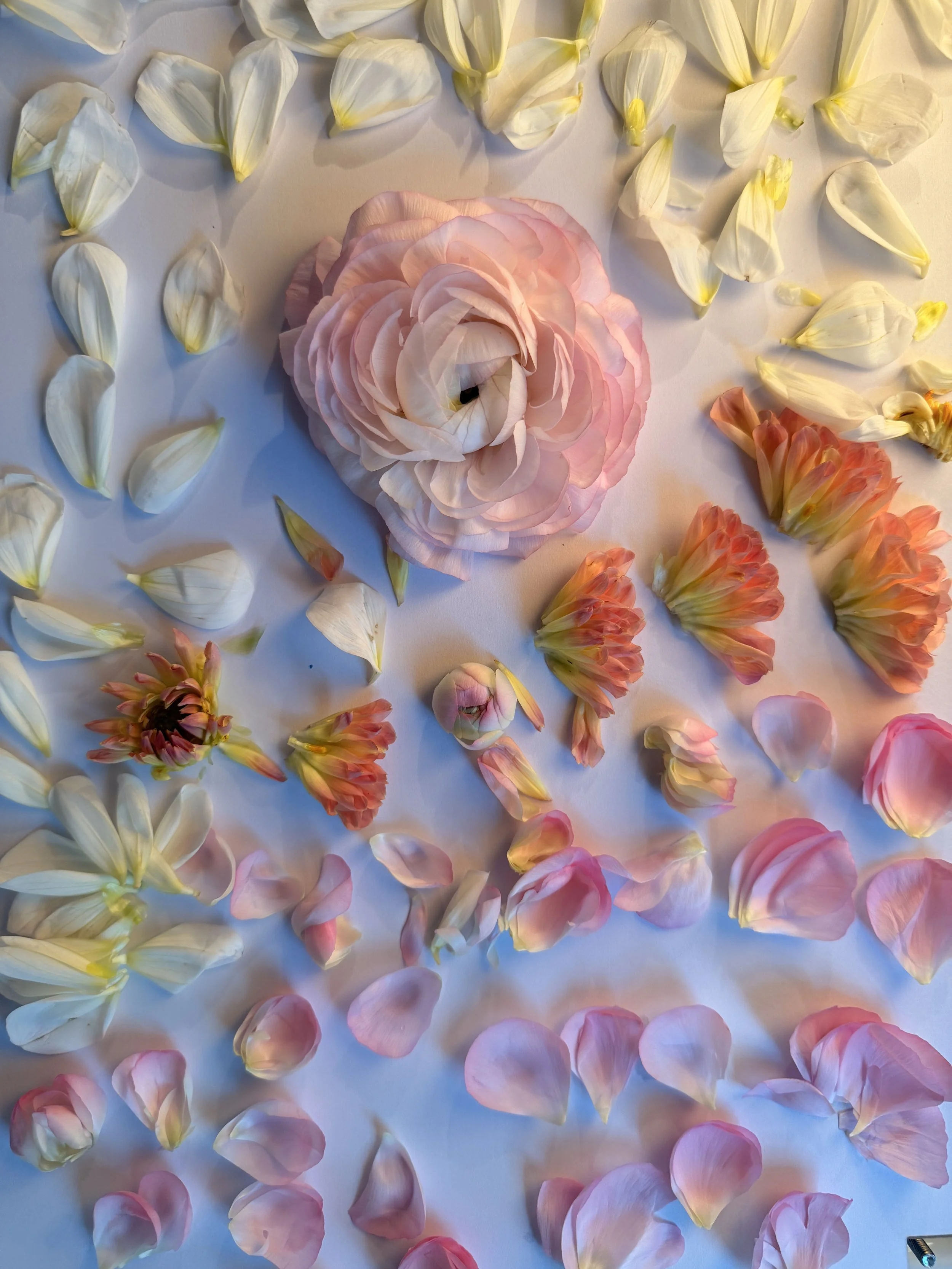
Before Japan, there was Australia. For me, it started in the bushland on the southeast coast, near the Great Otway National Park and Bells Beach. It was native wildflowers and orchids. It was the smell of dirt and eucalyptus, humidity and salt air, that kept me wandering through that park, which was also my backyard as a child, for hours at a time. Now, as an adult, the smells and sensations I notice on my walks through the Vermont woods are no different from the memories that come back to me of pressing flowers deep in the Australian bush as a child.
Two Traditions, One Practice
That patience and attentiveness, first learned in the Australian bush and later sharpened in Japan, is exactly what I bring to bouquet preservation at Heavenscent today. When I press and preserve a bouquet for a couple, I am drawing on all of it: twenty years of wedding floristry, a lifetime of pressing flowers, and everything I learned about patience and presence while I was living in Japan studying ikebana and oshibana side by side.
How This Shapes the Way I Preserve Your Bouquet
Preservation typically takes four to six weeks, with pricing starting at $150. A standard sixteen-by-twenty-inch hardwood frame, available in oak, cherrywood, teak, or walnut, typically runs around $295 depending on the piece, and I work in other sizes and shapes as needed. I recommend getting on the calendar ahead of your wedding date, though I do accept last-minute requests when my schedule allows.
Frequently Asked Questions
Is oshibana the same as flower pressing?
Oshibana is the traditional Japanese practice of pressing flowers and foliage into pictures. It shares the same basic technique as Western flower pressing, but it developed as a meditative art form in its own right, with roots going back around six hundred years.
What is the difference between ikebana and oshibana?
Ikebana is the art of arranging fresh, living flowers, while oshibana is the practice of pressing and preserving them. I studied both while living in Japan, and I use principles from each when I preserve a bridal bouquet.
How does this connect to Heavenscent's bouquet preservation service?
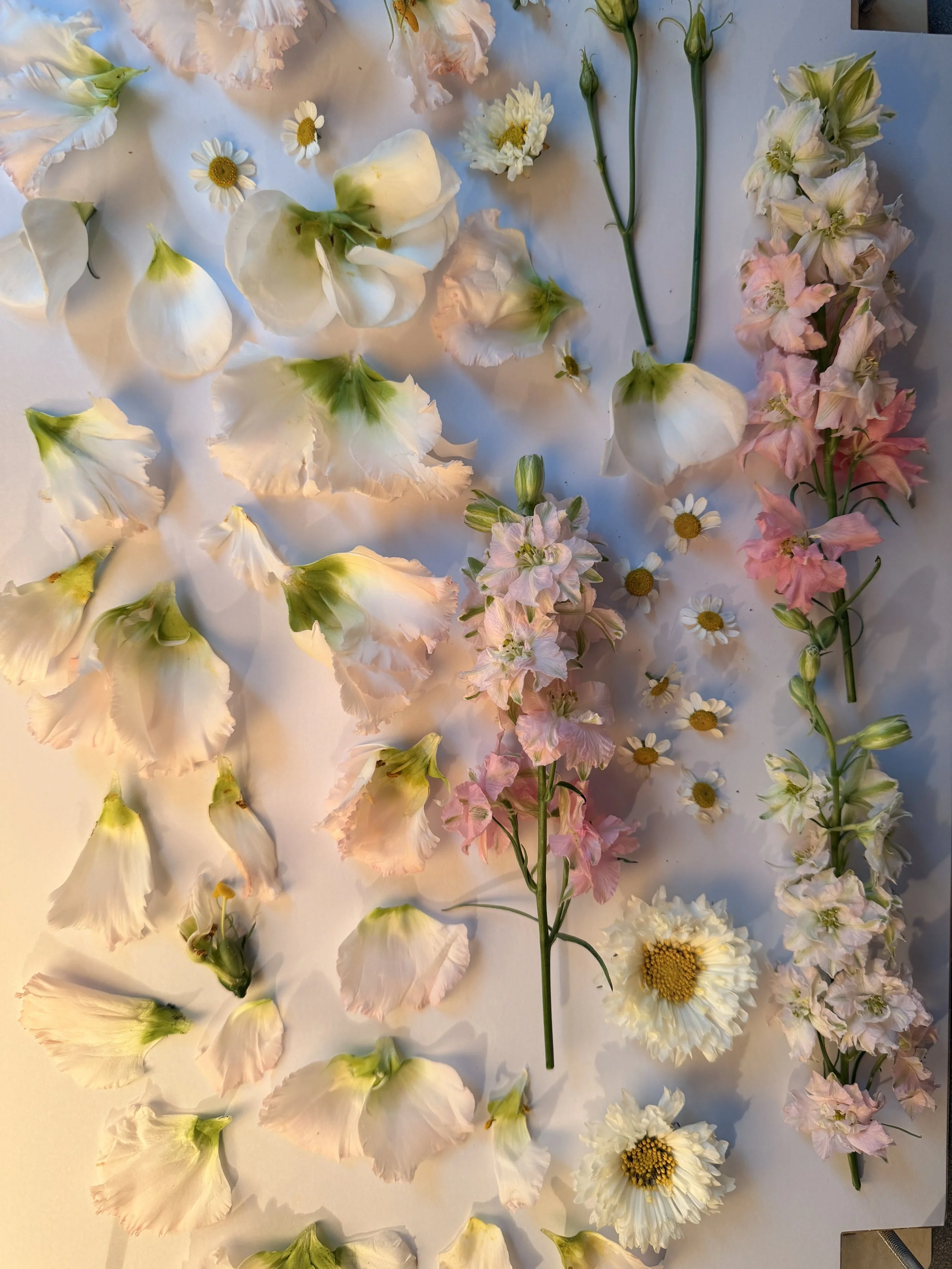
The patience and attention to detail required by both ikebana and oshibana directly inform how I handle every bouquet I preserve, from the way I lay out each stem to the care I take pressing delicate petals without damaging them.
If you want your bridal bouquet preserved with that same level of care, reach out through our contact page and let's talk about what preserving your bouquet could look like.
